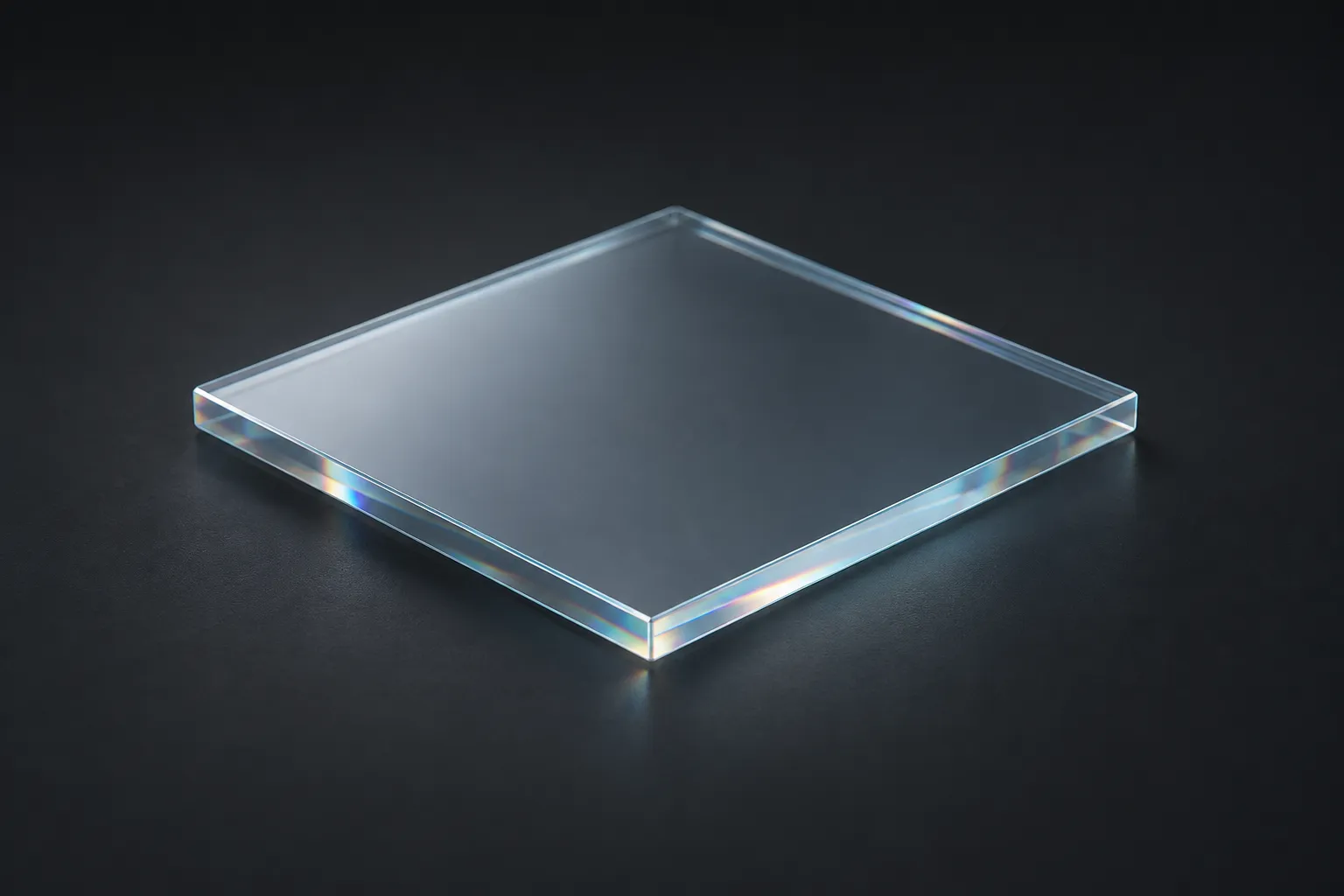

Diamond growth
Explore single-crystal, polycrystalline and doped diamond routes for optical, electronic and thermal applications.

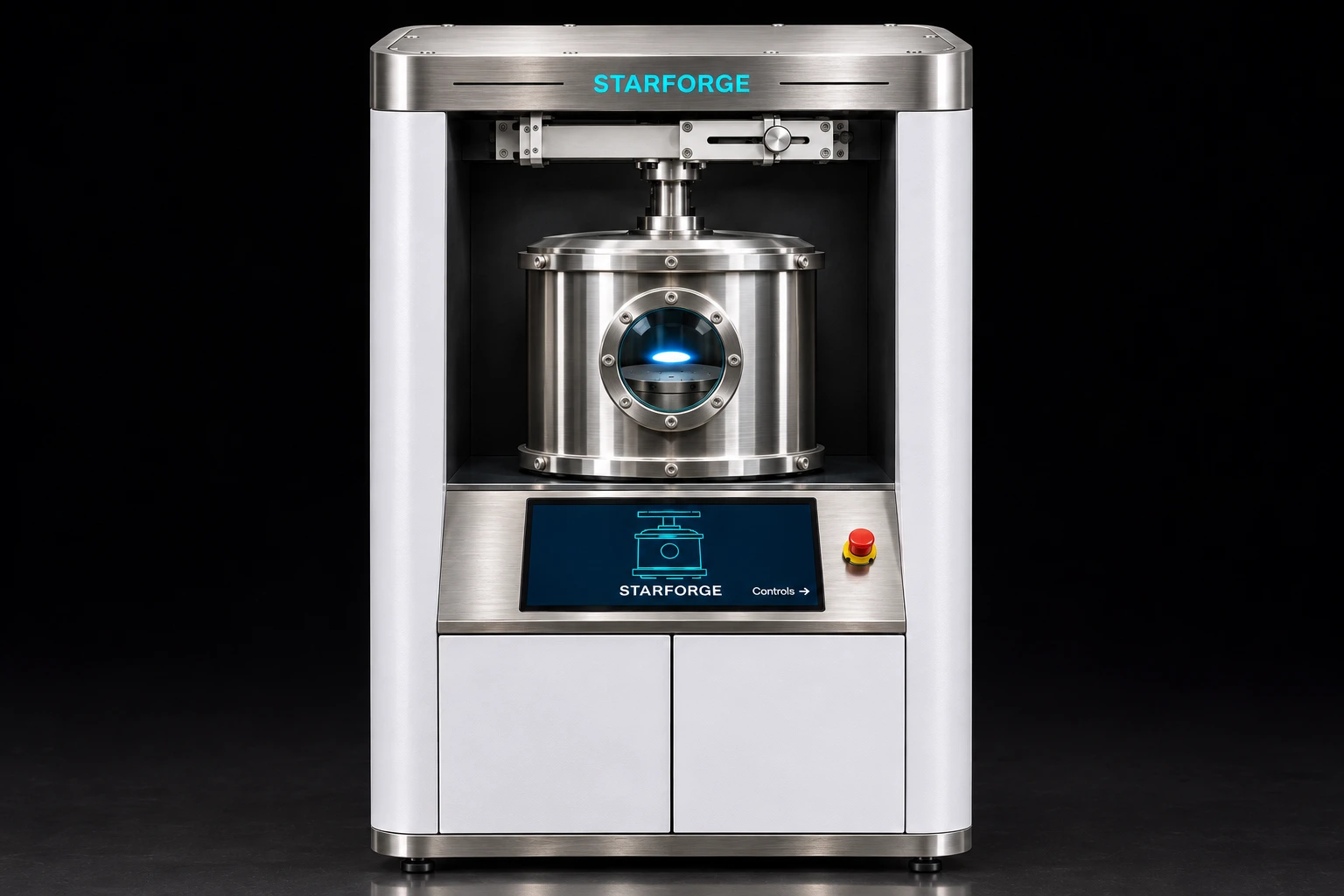
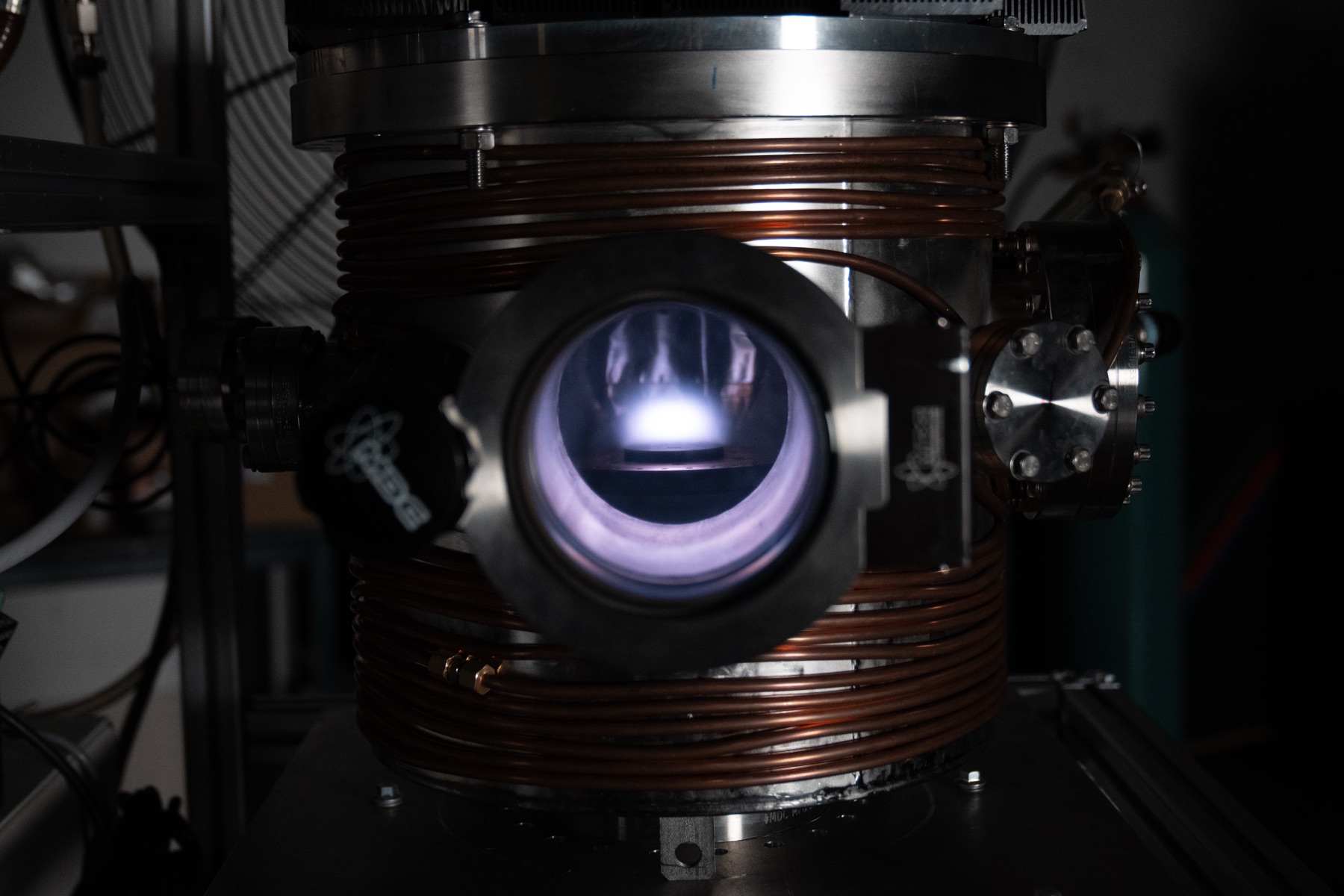
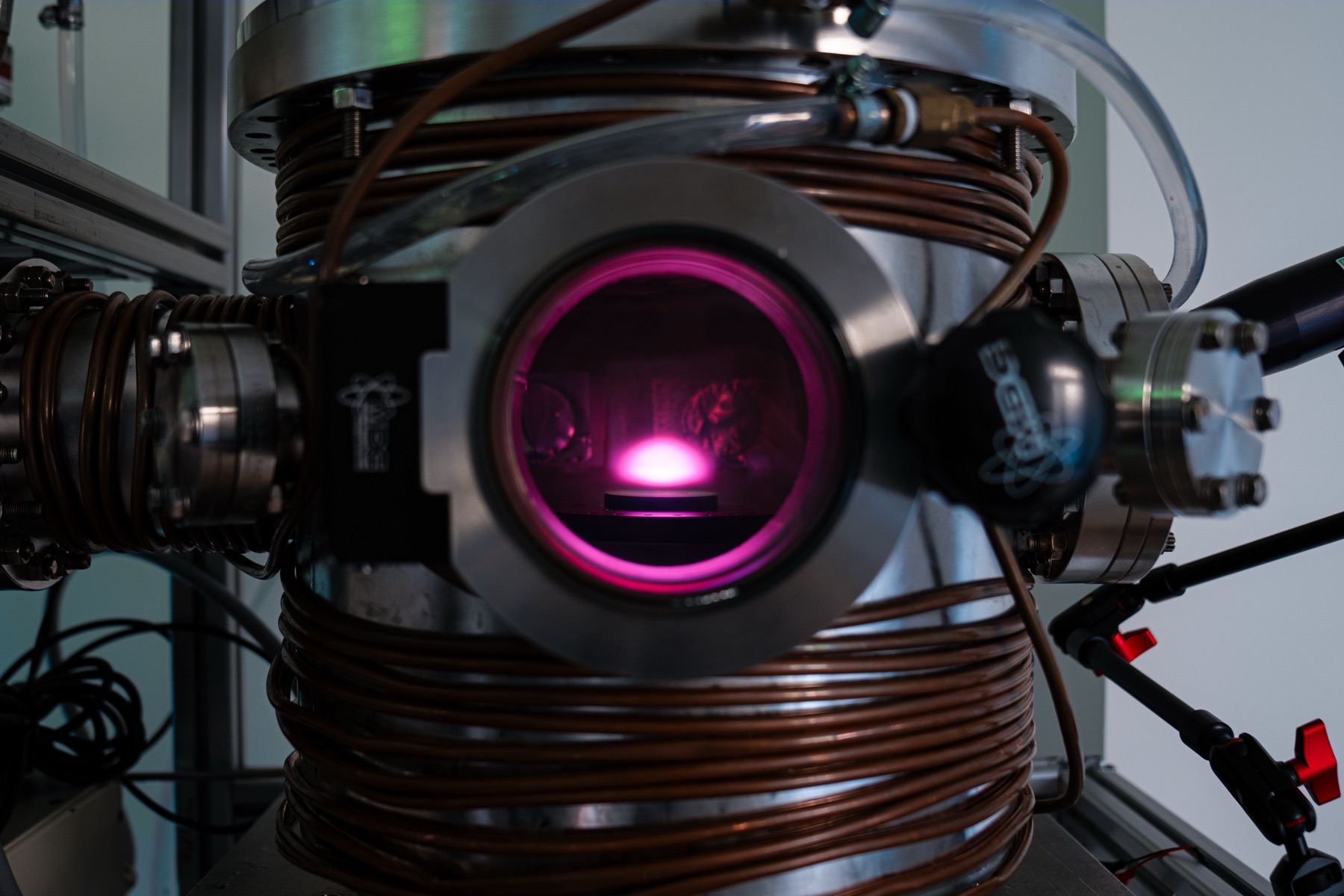
STARFORGEMPCVD reactor
An intelligent MPCVD platform for advanced materials. Euclid included.
01 / INSIDE STARFORGE
01 / THE REACTOR
Configure microwave power, chamber design and substrate positioning around your material programme—from engineered diamond to specialized microwave-plasma deposition research.
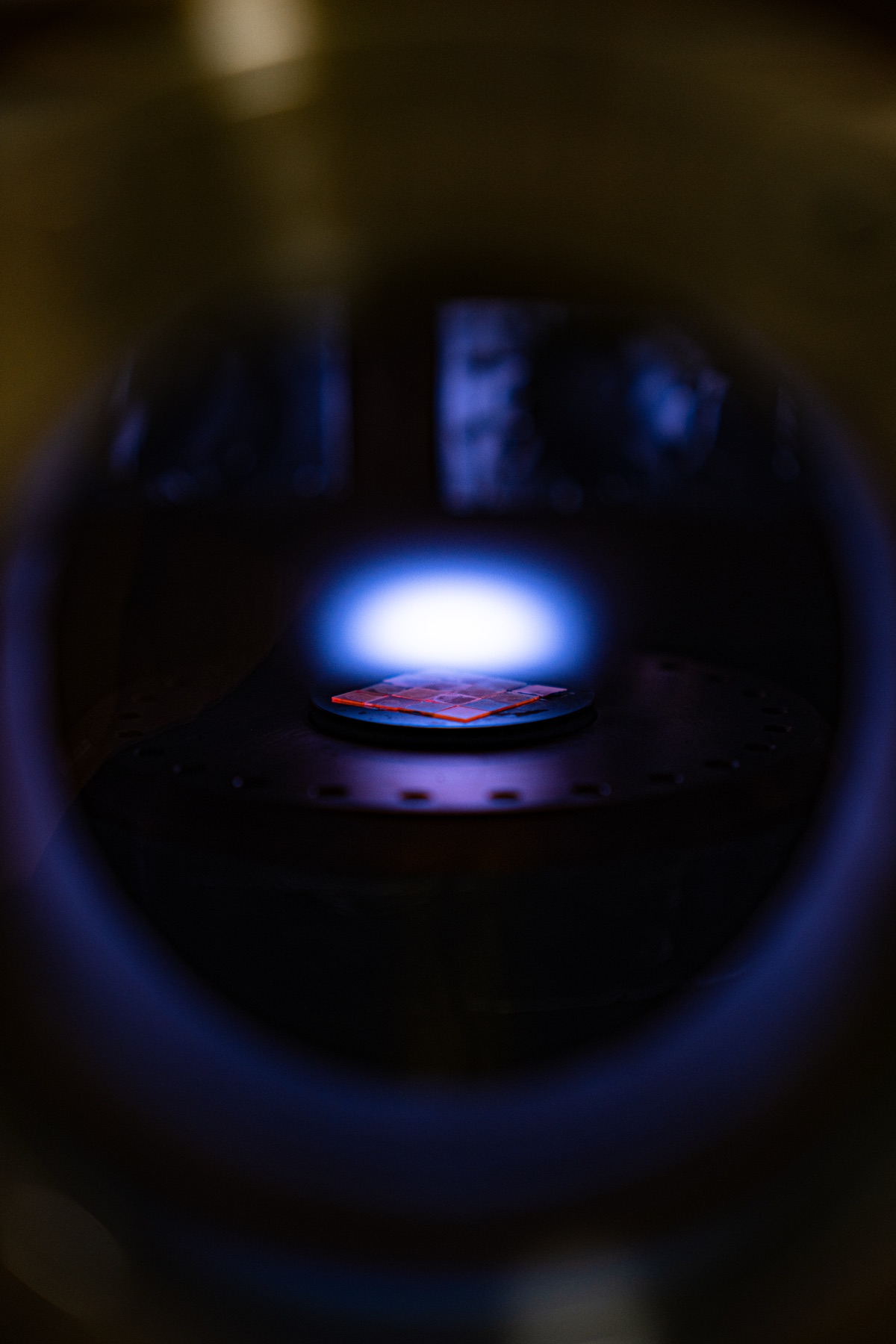
02 / THE PLASMA
Define your requirements for in-situ temperature measurement, plasma spectroscopy, imaging and growth tracking. Diagnostic access and sensor compatibility are scoped for each process.
03 / THE MATERIAL
Bring growth rate, impurity limits, uniformity and defect targets into the same process brief. Use AI reactor control and in-situ observations to guide process development.
SCROLL TO EXPLORE
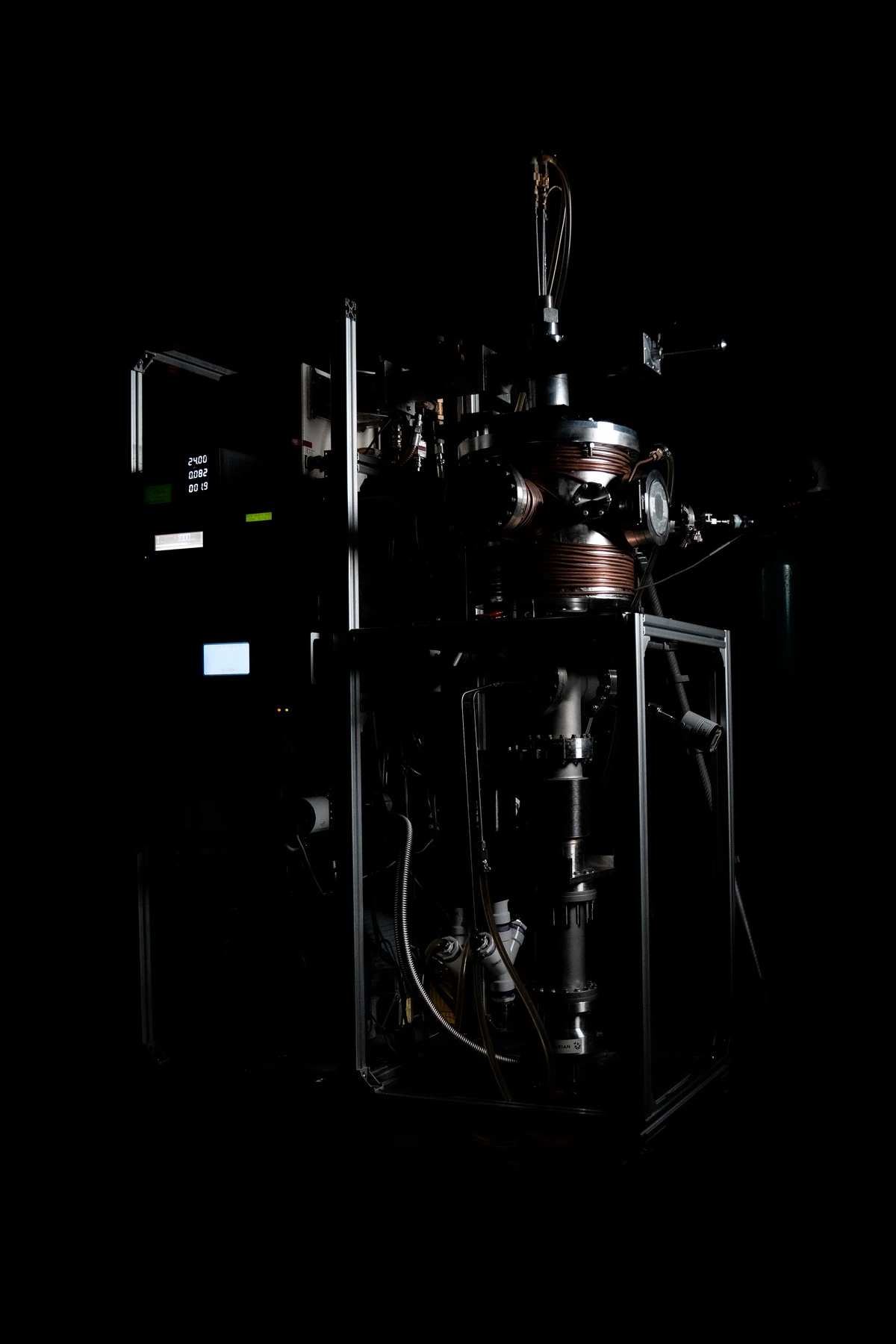

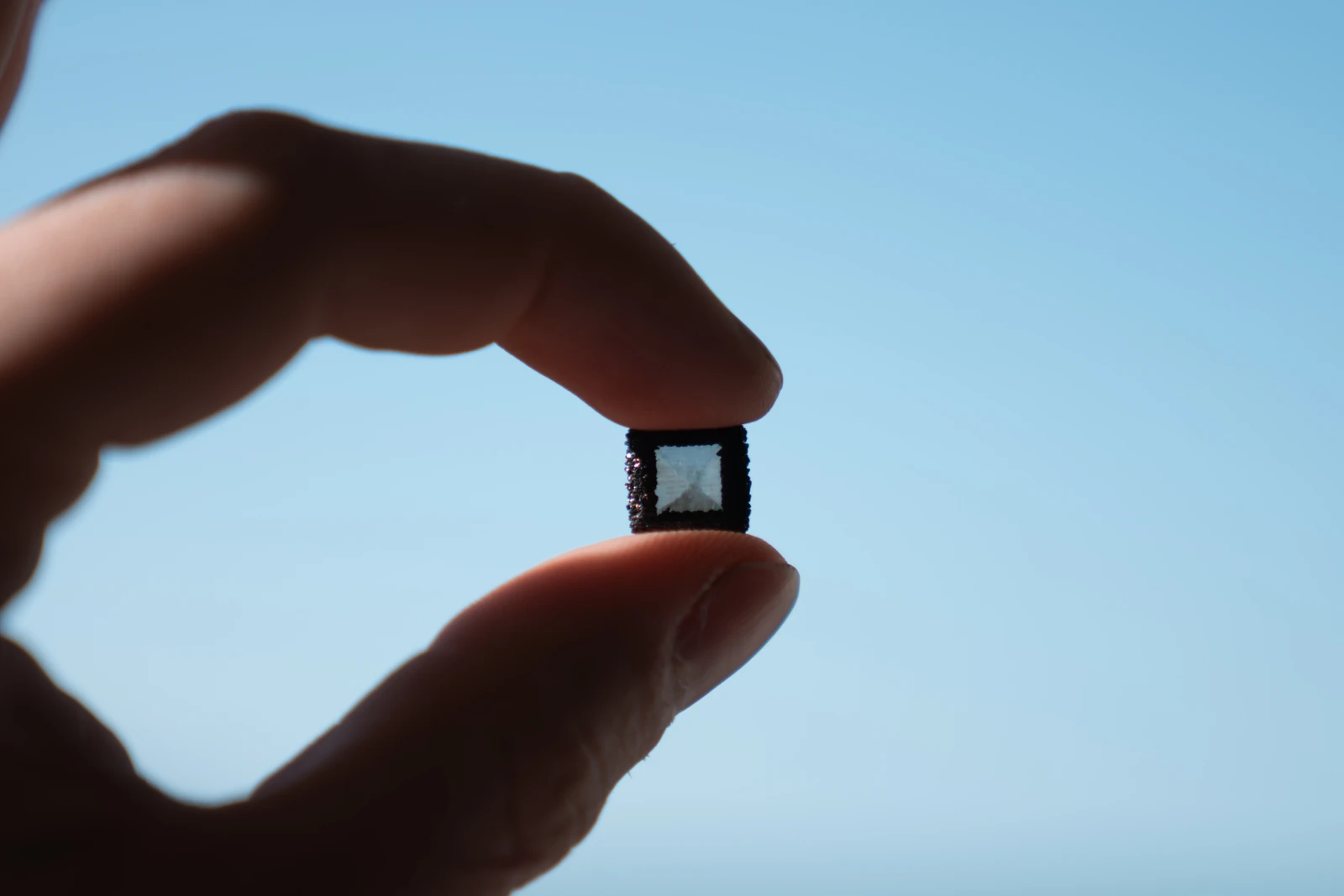
MATERIAL LIBRARY
Microwave plasma chemical vapor deposition (MPCVD) uses microwave-generated plasma to grow materials on a substrate. Choose a material family and define your growth goals.
Representative material illustrations
Explore single-crystal, polycrystalline and doped diamond routes for optical, electronic and thermal applications.
Explore graphene, carbon nanostructures and diamond-like carbon films, with substrate and process requirements defined for your application.
Explore boron nitride, silicon carbide and other microwave-plasma film routes. Precursor chemistry and substrate compatibility shape each configuration.
Preparing material routes…
Choose a material to explore its output, applications and process considerations.
Have another MPCVD material in mind? Add your target to the growth goals in your configuration.
Describe your process ↓EUCLID
Set targets for growth rate, uniformity and material properties. Euclid coordinates your process plan and uses reactor feedback to recommend adjustments during growth.
Meet Euclid ↗Material: your material
Set targets for growth rate, uniformity and material properties. Euclid builds a coordinated process plan around your priorities.
Approve the settings and operating limits. Euclid uses reactor feedback to recommend targeted adjustments during growth.
Compare measured thickness, uniformity and material properties with your targets. Use the result to focus the next growth run.
Euclid is included with every STARFORGE. Optimization is included for 12 months from commissioning, with optional renewal afterward.
PERFORMANCE / REAL RESULTS
Diamond growth
Up to 530 µm/hr
Growth rate depends on the recipe, substrate, loading and required material properties.
Request growth and characterization data for your material, substrate and target properties.
Impurity, defect and uniformity targets are defined for each application.
Request material characterization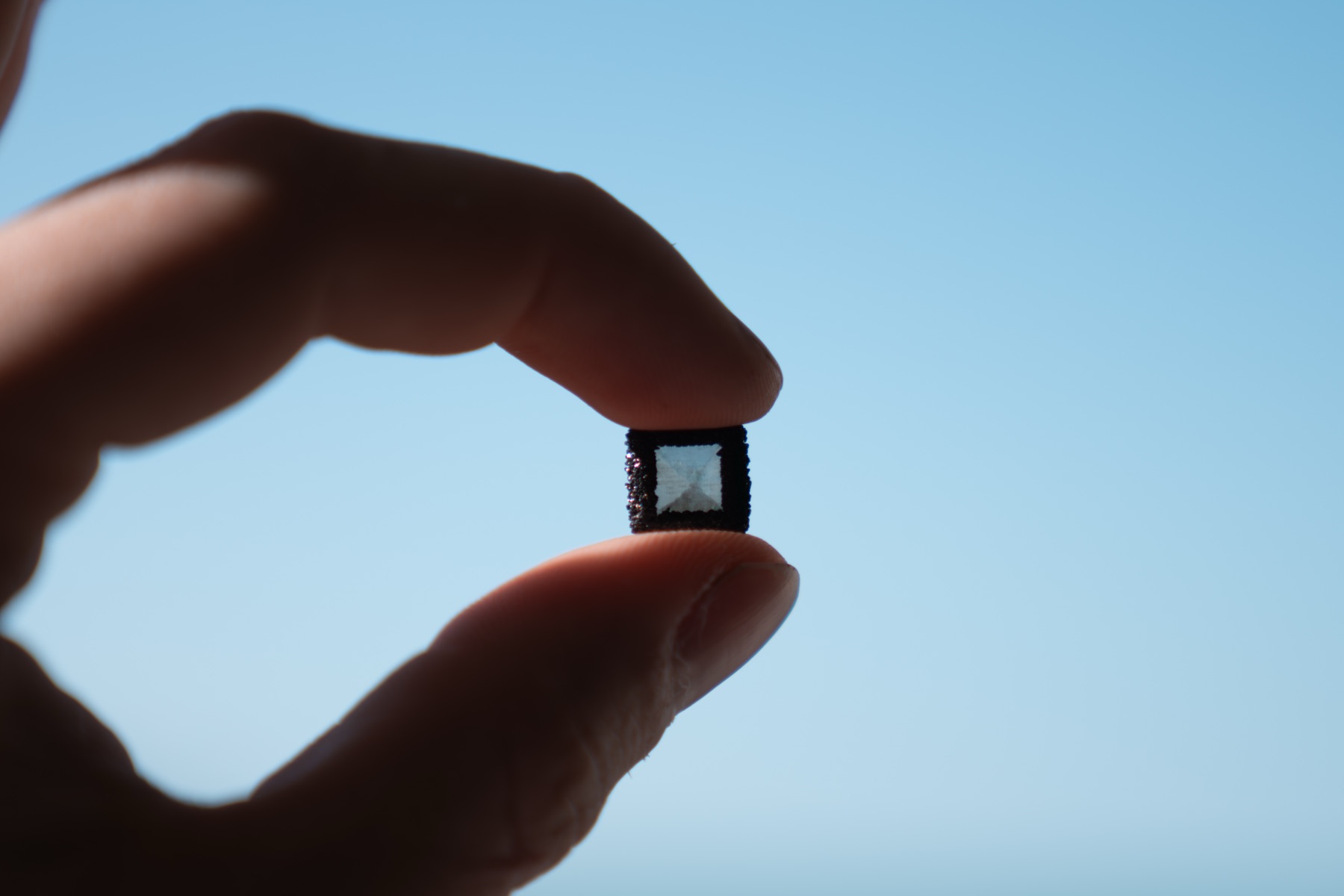
PLATFORMS
Compare growth capacity, power and facility requirements, then configure your reactor.
Base equipment fromUS$250,000
Configure this platformBase equipment fromUS$350,000
Configure this platformBase equipment fromUS$1,500,000
Configure this platformBase equipment fromUS$2,750,000
Configure this platformPreliminary estimates at full power. Electricity costs assume US$0.15/kWh for the microwave source; pumps, controls and cooling are additional.
| Specification | STARFORGE 6 | STARFORGE 15 | STARFORGE 100 | STARFORGE 300 |
|---|---|---|---|---|
| Generator input | ≈ 8.6 kW | ≈ 21.4 kW | ≈ 142.9 kW | ≈ 428.6 kW |
| Energy / 24 h | ≈ 206 kWh | ≈ 514 kWh | ≈ 3,429 kWh | ≈ 10,286 kWh |
| Cooling water | ≈ 12–25 L/min | ≈ 31–62 L/min | ≈ 205–410 L/min | ≈ 615–1,230 L/min |
| Diamond output · simulated | 50 ct/day | 125 ct/day | 500 ct/day | 1,000 ct/day |
| Estimated electricity cost | ≈ US$31/day | ≈ US$77/day | ≈ US$514/day | ≈ US$1,543/day |
Electricity: estimates use rated microwave output ÷ 70% generator efficiency. Daily energy assumes 24 hours at full output; electricity cost uses US$0.15/kWh. The 380 V or 480 V three-phase supply does not change this energy estimate. Pumps, controls, the chiller and other auxiliaries are additional; final service capacity and circuit protection are specified for your configuration.
Cooling: preliminary flow estimates use Q = ṁ × 4.18 × ΔT, with generator electrical input treated as the combined generator/chamber heat load and a 5–10 °C water-temperature rise. Flow is recirculating, not daily water consumption. Heat distribution, coolant temperature/pressure, auxiliary loads and sizing margin must be confirmed before chiller selection.
* Vacuum: dry-scroll pumping is standard. Turbomolecular and ion-pump upgrades are optional and priced separately. Base pressure depends on the selected pumps, chamber seals, outgassing and conditioning; Orion confirms the achievable range for each configuration. Base vacuum describes evacuation before gas flow, not growth operating pressure.
Choose your material, platform and hardware in one focused workspace.
Configure your reactor →FROM REQUEST TO COMMISSIONING
Move from your process brief to an agreed specification and installation plan.
Review material feasibility, substrate needs and facility requirements.
Set equipment, controls, diagnostics and acceptance criteria.
Confirm pricing, commercial terms and delivery milestones.
Plan setup, acceptance testing, operator training and support.
Euclid reactor control is included. Optimization is included for 12 months from commissioning, with optional renewal afterward. Core operation, saved recipes and run data remain available without renewal.
Yes. Describe the material, substrate and target properties in your growth goals. Orion reviews process feasibility and the required configuration during technical review.
Commissioning, acceptance testing, operator training and support are planned in the agreed specification. Installation assistance and service preferences can be included in your quotation.
The reactor, selected options, facility requirements and service scope define the quotation. Pricing, commercial terms and delivery milestones are confirmed with Orion.
Review your system and growth goals before requesting a quotation.


